

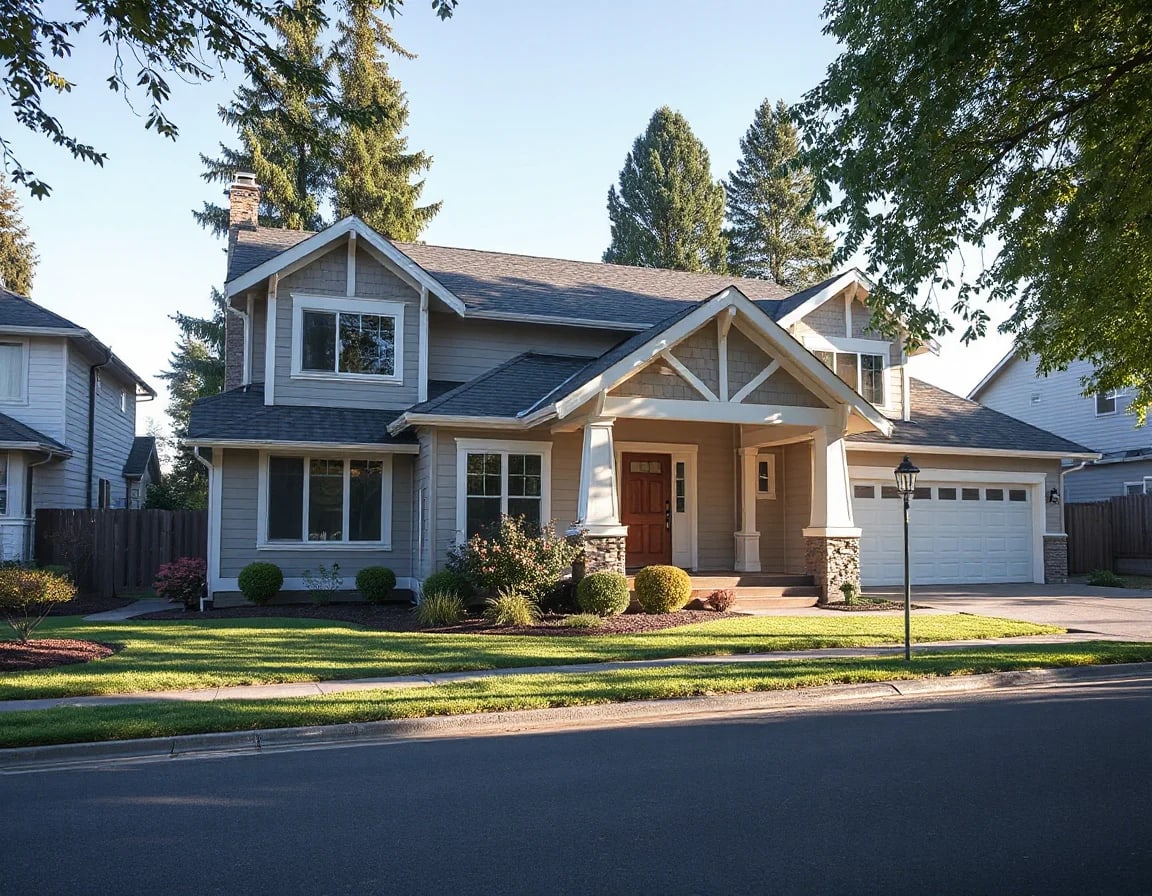
Buying your first home in Puyallup between $300,000 and $600,000 can feel fast-moving, but it becomes much more manageable when you know where to focus first. This guide breaks down practical steps that help buyers compete wisely, protect their budget, and keep the process moving from pre-approval to closing. If you want fewer surprises and better decision-making, these seven moves create a strong foundation.
Start With a Payment Range, Not Just a Price Ceiling
Many first-time buyers begin by asking how much house they can afford, but in Puyallup, the better starting point is monthly payment comfort. A purchase in the $300,000 to $600,000 range can produce very different outcomes depending on taxes, insurance, interest rate, HOA dues, and how much cash you want to keep in reserve after closing. Looking only at the top number can push you toward homes that technically fit a loan approval but do not fit your day-to-day finances.
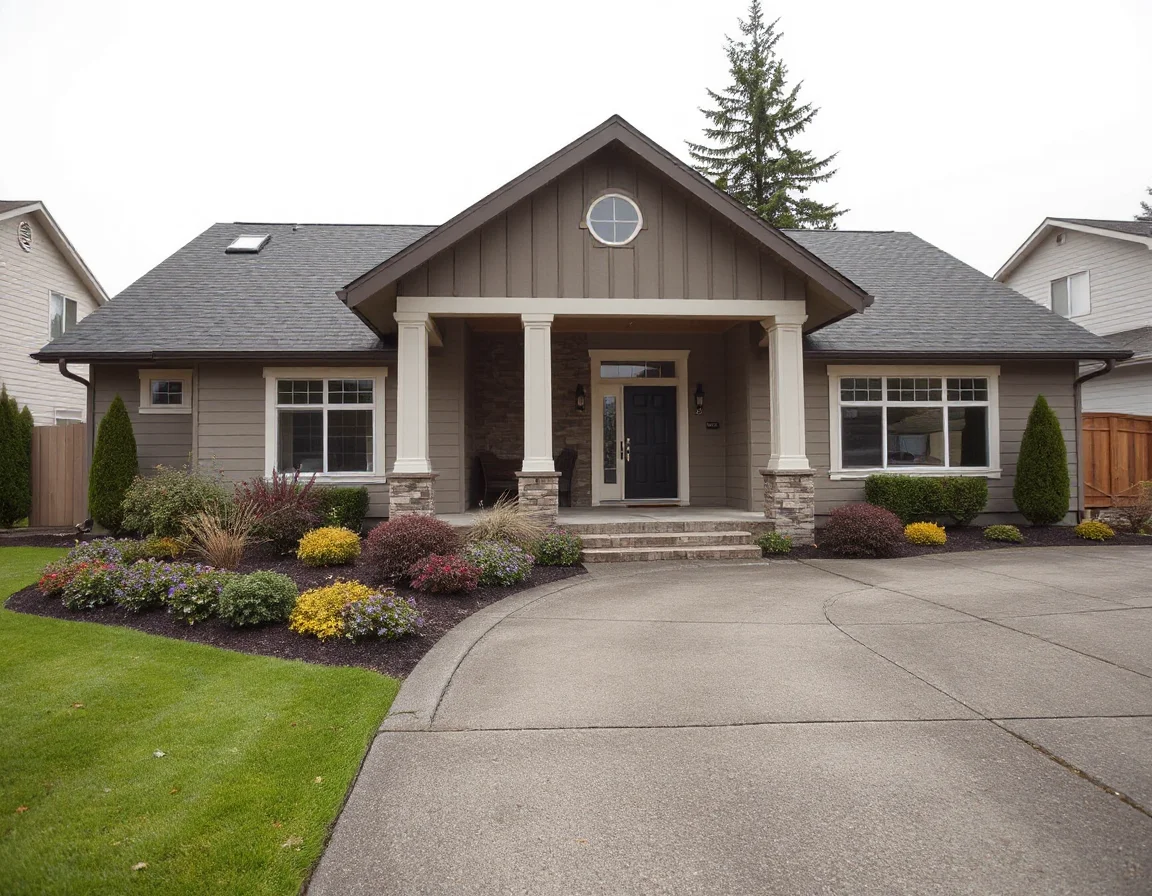
A smart move is to work backward from a realistic monthly target. Decide what payment still leaves room for maintenance, utilities, commuting costs, savings, and normal life expenses. That number helps narrow your search more effectively than a broad pre-approval letter. It also reduces the temptation to stretch for a property that might need immediate repairs or updates.
In Puyallup, inventory across this price band can include condos, townhomes, smaller detached homes, and more updated properties at the higher end of the range. When you know your payment target, you can compare those options more clearly instead of reacting to every new listing that appears online.
A comfortable payment range gives you more negotiating confidence than a maximum loan amount. It keeps the search focused when new listings hit the market quickly.
Get Fully Pre-Approved Before You Tour Seriously
Pre-qualification is a useful first glance, but full pre-approval is what helps you act quickly when the right property shows up. In a price range where well-presented homes can attract immediate attention, speed matters. Sellers and listing agents generally take fully documented financing more seriously, especially when timelines are tight and multiple offers are possible.
This means submitting income documents, asset statements, credit information, and any other materials your lender needs before you fall in love with a house. It is also worth asking your lender how quickly they can update approval letters for specific offer amounts, because clean paperwork can make your offer easier to understand.
Just as important, talk through loan options early. Some first-time buyers benefit from programs with lower down payment requirements, while others may prioritize lower monthly costs or flexibility on closing cash. The right financing structure can influence which Puyallup homes are practical in your target range and how competitive your offer can be.
Learn the Tradeoffs Inside the $300K–$600K Range
No two homes at the same price point offer the same value proposition. One property may have a more updated interior but less yard space. Another may offer more square footage but require near-term maintenance. A condo might provide a lower entry point but include HOA dues that affect your monthly budget. Understanding these tradeoffs early helps you evaluate listings with more clarity and less emotion.
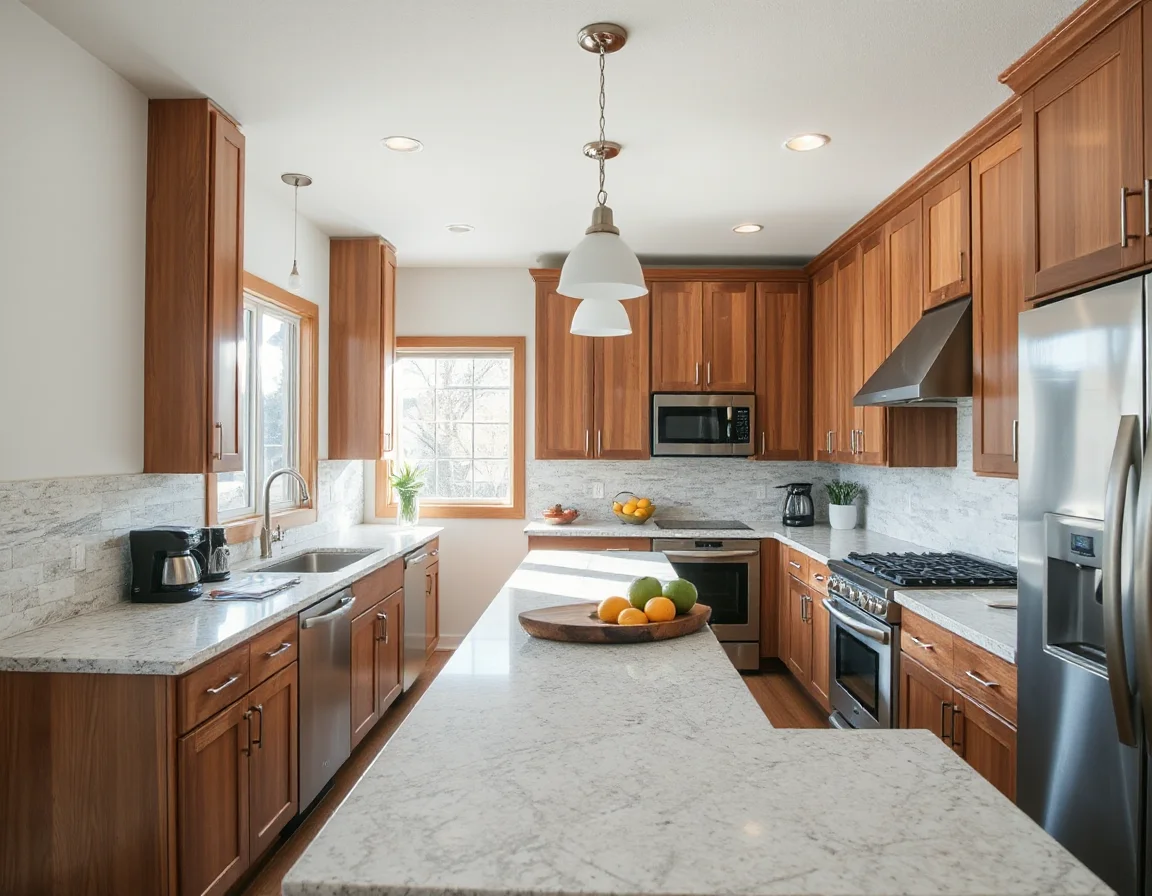
Within this market segment, buyers often need to choose what matters most: newer systems, lot size, commute convenience, layout, storage, or renovation potential. There is no universally correct answer, but there is a right answer for your priorities. Creating a short list of must-haves and nice-to-haves before touring can prevent decision fatigue and keep expectations realistic.
It also helps to think beyond listing photos. An attractively staged home can be appealing, but the bigger questions are whether the floor plan works, whether the property condition fits your budget, and whether future maintenance will be manageable. First-time buyers often do best when they compare homes side by side after each showing rather than relying on memory later.
That process turns the search from “Do I love this one?” into “How does this one stack up against the other good options?” That small shift can lead to stronger, steadier decisions.
In this price band, the winning choice is often the home with the best balance of condition, layout, and monthly cost, not necessarily the one with the flashiest photos.
Study the Neighborhood Details That Affect Daily Life
A home search is not only about the property itself. It is also about how the location functions for your routine. In Puyallup, buyers often compare access to major roads, local parks, shopping areas, grocery options, and time to everyday destinations. These practical details shape how a home feels after move-in far more than an online listing description can capture.
Try driving the route at different times of day if commute timing matters to you. Notice traffic patterns, noise levels near the property, parking conditions, and how close the home is to places you expect to visit regularly. A location that looks similar on a map can feel very different in person depending on street layout and surrounding uses.
Puyallup offers a mix of established residential pockets and newer development patterns, so buyers may see meaningful differences in lot size, street width, sidewalk presence, and overall neighborhood layout. Paying attention to these details early can help you recognize which locations fit your preferences before you are under pressure to write an offer.

Consider how the home supports the routines you already have and the ones you hope to build after moving. Visiting the surrounding area more than once can reveal practical advantages and tradeoffs that are easy to miss during a quick showing.
Keep Your Offer Competitive Without Giving Away Protection
Writing a strong offer is not always about being the highest bidder. Terms matter. Closing timeline, earnest money, financing clarity, seller concessions, and contingency structure can all influence how your offer is received. First-time buyers sometimes assume they must waive every protection to compete, but that approach can create unnecessary risk.
A better strategy is to understand where flexibility helps and where caution matters. For example, a clean offer package, a realistic closing date, and responsive communication can strengthen your position without eliminating inspections or other key safeguards. The best structure depends on the property, the seller’s goals, and current competition around that listing.
This is where preparation pays off. When you know your numbers, your lender is ready, and your priorities are clear, you can move decisively instead of reactively. That gives you a better chance of writing an offer that is both appealing and sensible.
Buyers should also plan emotionally for the possibility of losing out on a home. In active segments of the market, that can happen even with a solid offer. The key is staying ready for the next opportunity rather than overreaching on the wrong one.
Budget for Inspection Items, Repairs, and Move-In Costs
The purchase price is only part of the story. First-time buyers often focus so heavily on down payment and closing costs that they overlook what happens right after closing day. Even a well-maintained home may need small repairs, appliance replacement, paint, locks, yard tools, window coverings, or contractor visits in the first few months.
That is why keeping a post-closing reserve matters. If the inspection reveals aging systems, deferred maintenance, or future replacement timelines, you want enough flexibility to handle those costs without immediate stress. A house that is slightly under your maximum budget can sometimes be the stronger financial choice if it leaves room for the inevitable first-year expenses.
Inspections are especially valuable because they help buyers shift from excitement to informed ownership. You are not looking for a flawless home; you are looking for a property whose condition makes sense for the price and for your budget after closing.
Build a Team That Explains the Process Clearly
One of the smartest moves any first-time buyer can make is choosing professionals who communicate well. Real estate has a lot of moving parts, from financing and disclosures to inspections, timelines, and negotiations. Clear guidance can make the difference between a stressful experience and one that feels organized and manageable.
A client-focused approach matters because first-time buyers usually need more context, not just faster paperwork. Questions about pricing, inspection findings, neighborhood comparisons, and offer strategy should be welcomed and answered directly. When your agent and lender keep you informed, it is easier to make confident decisions at each step.
In Puyallup, where homes in the $300,000 to $600,000 range can attract steady interest, preparation and communication work together. Buyers who understand the process tend to move faster, compare homes more effectively, and avoid costly last-minute surprises.
With the right plan, first-time ownership does not have to feel overwhelming. It can feel like a series of smart, manageable decisions that lead you to a home that fits both your budget and your goals.